Most disc chipper operators understand the importance of maintaining sharp knives. Knives are removed, inspected, and changed on a regular basis. Unfortunately, the components behind the knife often receive much less attention.
A typical disc chipper knife assembly consists of several stacked components:
- Knife Holder
- Counter Knife
- Knife
- Knife Clamp
While knives may be changed frequently, it is not uncommon to find counter knives and knife holders that have remained in service for years without being removed for inspection.
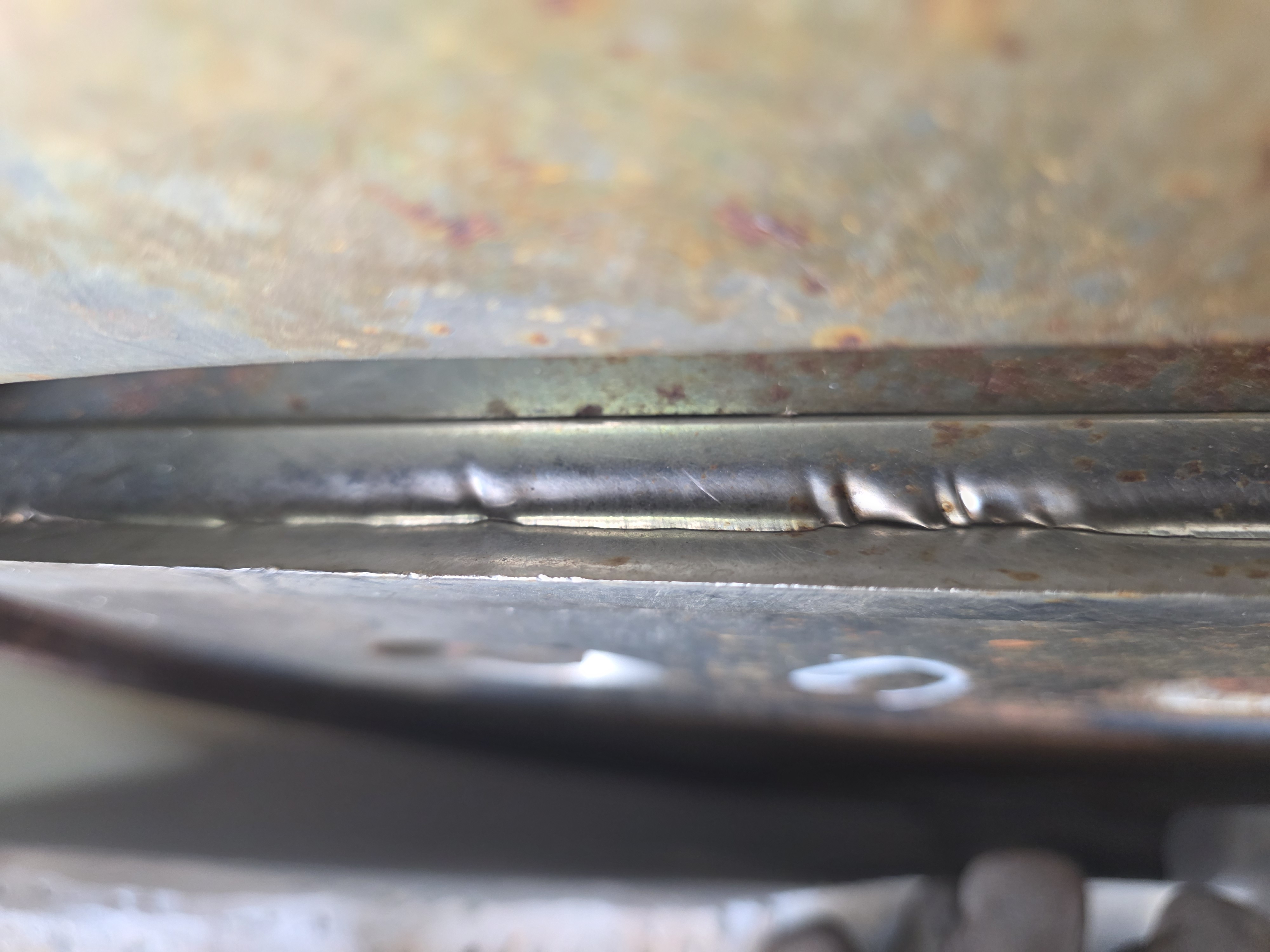
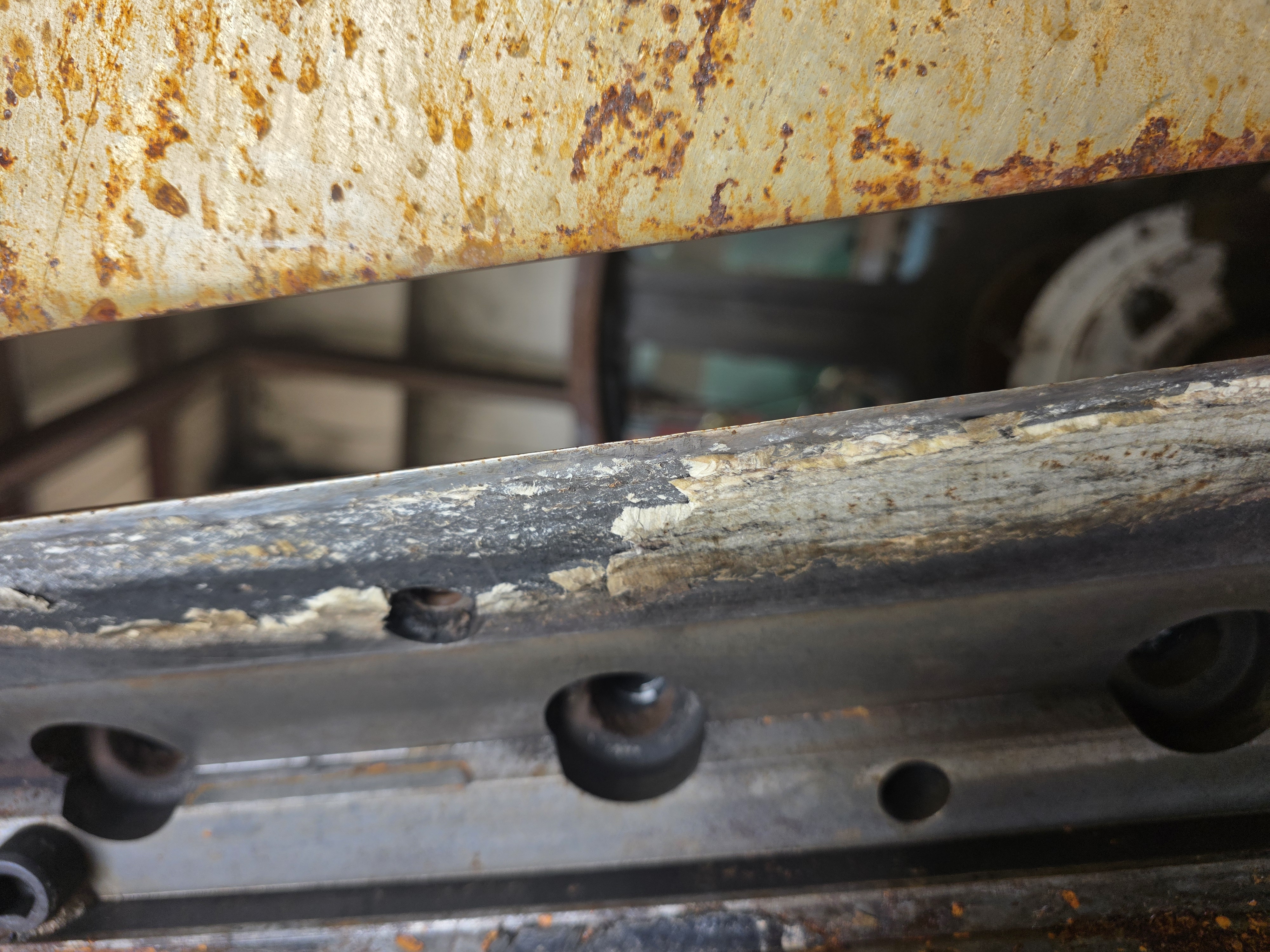
Over time, the leading edge of the counter knife can become eroded. Similar wear can occur on the knife holder itself. As these parts wear away, pockets are created where wood fiber, chips, and dust can accumulate.
At first glance, the assembly may appear perfectly normal. The knife is sharp, the bolts are tight, and the machine is operating. However, hidden beneath the counter knife may be a tightly packed layer of compressed wood fiber and dust.
Why This Is a Problem
The knife retention system depends on proper metal-to-metal contact between the mating surfaces of the knife holder, counter knife, knife, and clamp.
When wood fiber and dust become trapped between these components, the assembly may no longer seat properly. The bolts may be tightened to the correct torque, but part of the clamping force is being applied to compressed debris rather than solid steel components.
As the chipper operates, vibration and impact loading can further compress the trapped material. This can reduce effective clamping force and allow movement within the knife pocket.
Any movement of a chipper knife should be considered a serious safety concern.
A Problem That Often Goes Unnoticed
The reason this issue is often overlooked is simple.
The knife is the wear item that receives regular attention. The counter knife and knife holder frequently do not.
A chipper may go through dozens of knife changes while the supporting components remain in place. Eventually the wear becomes severe enough that wood fiber begins packing beneath the counter knife and around the knife holder.
The buildup is hidden until the assembly is disassembled.
Inspect More Than Just the Knife
During routine knife maintenance, take the time to inspect:
- Counter knife condition
- Knife holder condition
- Evidence of erosion or washout
- Packed wood fiber and dust
- Seating surfaces
- Clamp condition
- Clamp bolts and threaded holes
Any packed material should be removed completely. Worn counter knives should be repaired or replaced before erosion creates cavities capable of trapping debris.
Knife holders should also be inspected for wear and erosion that could prevent proper seating of the stacked components.
Clamp bolts should be cleaned, inspected, and tightened according to the chipper manufacturer's recommendations. Pneumatic impact tools may be suitable for loosening bolts and for initially snugging the assembly during knife installation, but final tightening should be performed with a calibrated torque wrench. Air pressure, tool condition, and operator technique can all affect the actual torque applied to the fastener.
Small Maintenance Effort, Big Safety Benefit
Many serious chipper accidents have involved knife retention failures. While there can be multiple contributing causes, allowing debris to accumulate beneath critical knife pocket components creates unnecessary risk.
The next time knives are changed, look beyond the knife itself.
Inspect the counter knife.
Inspect the knife holder.
Remove any packed wood fiber and dust.
Verify that all mating surfaces are clean and properly seated.
Torque the clamp bolts according to the manufacturer's recommendations.
The few extra minutes spent cleaning and inspecting these components may prevent reduced clamping force, premature component wear, or a potentially catastrophic knife failure.
The photos below show a worn counter knife and the packed wood fiber discovered beneath it after removal. Conditions like these are not always obvious until the assembly is taken apart.